
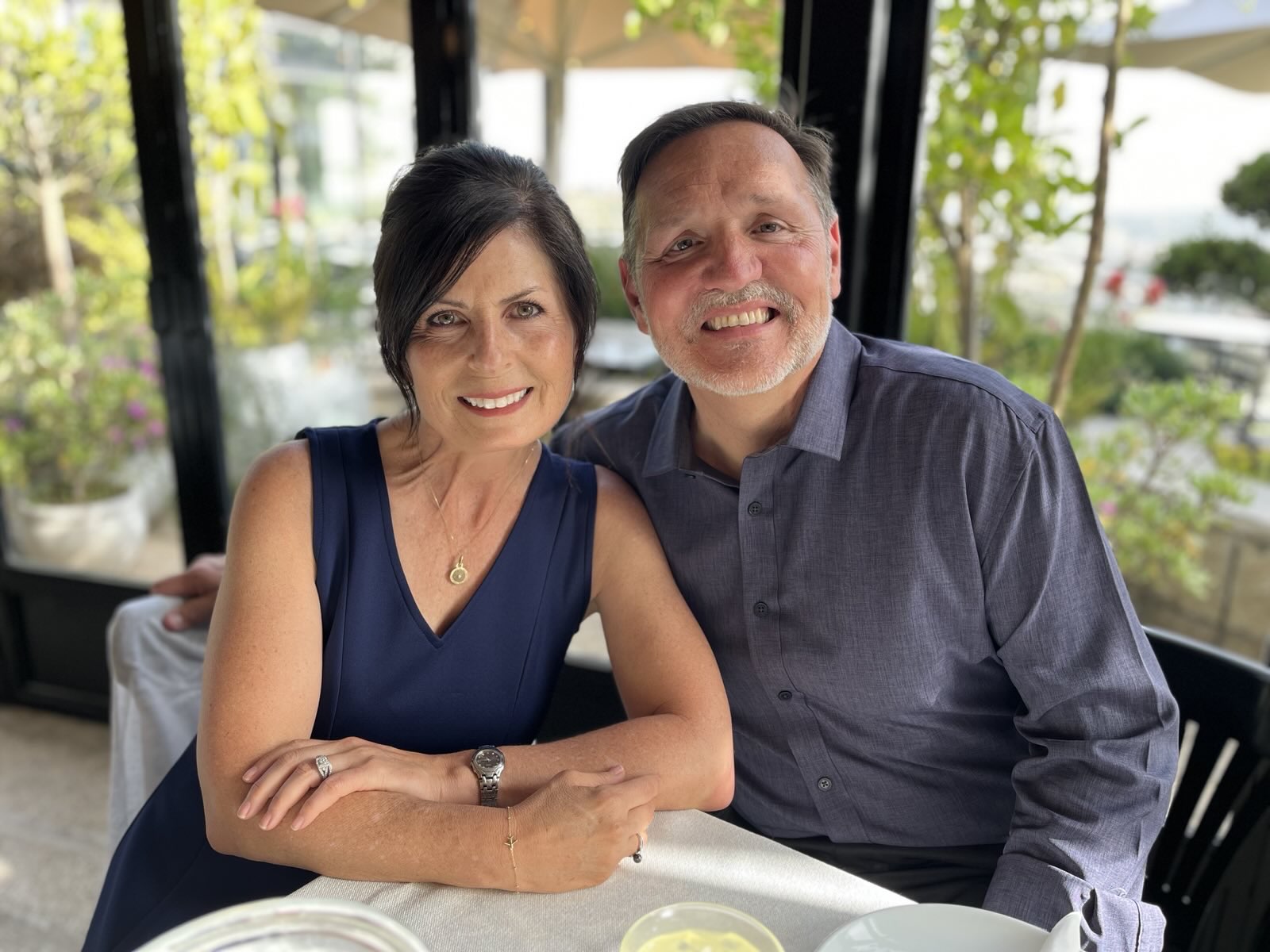
In northern Israel, where the sound of jets, sirens and distant explosions is an almost constant presence, faith leaders James and Melissa shepherd a congregation in Poriya founded in 2005. As war looms, their ministry faces unique challenges, Kehila News had the privilege to hear about how their congregation navigates these tensions with resilience, unity, and hope.
The obvious first question is: “How has the war influenced your daily life and routines?” As both James and Melissa pondered, the answer was quick: “In Israel, it’s not that war is normal, but war is… normal.” It no doubt must seem strange to anyone who is unfamiliar with Israel to hear such a comment, yet Israel has fought in over 15 wars since it was established in 1948. The current war has been ongoing for 13 months and is currently fought on 7 fronts.
Even though Israel’s modern history has been plagued with many wars, the ongoing attacks have disrupted every aspect of lives, from ministry work to personal safety. Persistent rocket and missile attacks have forced the congregations to spend a considerable amount of time in bomb shelters which has added a mental strain on people. Nevertheless, while living with the underlying awareness of danger, James expresses that they stay “physically aware of their proximity to shelters”.
Everyday life has been affected not only through the threats but also by the fact that “delivery drivers avoid the area due to drone threats”, thus creating food or supply shortages at times. Frequent power outages have become part of daily life as well.
Another fact about living in an area under constant attack and threat of attack is the need to establish safety protocols for sirens, and helping members feel prepared. And while this has led to some hesitance in attendance, as people are reluctant to leave their homes, the Poriya congregation has become a safe haven for its neighbors providing not only shelter but also a sense of peace and unity during these tumultuous times.
Melissa expressed “something I find very special about Israel and the people is its chutzpah (audacity) this resilience that is inside like DNA, to just kind of continue and so we’ve kind of adapted that in our own lives.” She continues to emphasize that the war has equally influenced worship and congregational life. “Hope is central in worship, songs and messages emphasize resilience and the assurance of God’s presence.” James stresses that worship services have also reflected the congregation’s collective emotions. “One week, the atmosphere is joyful with dancing, and the next, it’s somber as we mourn growing hostility.”
Amid ongoing challenges, the Body of Messiah in Israel urgently needs prayer for strength and endurance. Many congregations, including Poriya, face not only physical threats but also the emotional and spiritual toll of the war. May this serve as a reminder to uphold them in prayer, seeking renewed strength and unity as they stand firm in God’s promises.
With an approximate 360,000 reservists called up to serve in the current conflict, many women are now left to manage the household, children and even cope with restricted and limited finances. Not to mention soldiers coming home experiencing PTSD and burnout. James highlighted the importance of gathering to provide comfort and support, particularly for the congregation’s elderly members and families with loved ones serving as soldiers, offering help in any way they can. Melissa shared a story of a mother of four children “who’s one of those strong girls who doesn’t need a lot of help”, but who knows that the leadership and other members in the congregation are available to help. “I believe that’s often the biggest part of being a community, just making yourself available whether that person ever needs it or not, they know that you’re available and can count on you to be there for them”.
Needing to help people deal with fear and anxiety is another aspect of the ministry in war affected cities. James shared how one widow was particularly in need of help simply because “hiding under her bed during attacks is the shelter she has” and the way it was positioned she couldn’t get under it and created a sense of panic for her.
Since loneliness and isolation can at times feel like the most pressing need, another way Poriya congregation has sought to bring support to the community is a 24/7 zoom prayer call allowing members to join freely, especially during high alerts. Emotional and spiritual support being a priority has not kept Poriya congregation and its leadership from playing a central role in supporting widows and families who have all been affected. Providing support, supplies, physical help, aid, shelter, and so much more.
A family living in the Golan Heights, an area vulnerable to attacks, was invited to shelter with the congregation in times of heightened danger. The war has fostered an Acts-like community within the congregation, where resources are pooled and support is readily offered to anyone in need. “We’ve started to look at who has generators or resources we might need in an emergency,” says James. This sense of unity and willingness to share has brought the community closer, reflecting the early believers’ ethos of mutual aid.
The ministry’s work remains dynamic and deeply attuned to current events. “We focus on the Torah portions because they connect so deeply to what’s happening in the world,”. As people seek comfort in God’s promises amidst suffering, their spiritual engagement has intensified. “It’s like the book of Acts – persecution has driven growth in the community,” they note.
Amidst the chaos of war, Poriya congregation stands as a testament to the unshakable resilience and enduring hope that defines their community. Through every siren, power outage, and moment of uncertainty, they have embraced their calling to be a light in the darkness—offering support, shelter, and above all, the assurance of God’s steadfast presence.
“Our desire is to see unity and selflessness, to be a congregation that reflects God’s love not just within our walls but to anyone in need,” Melissa shares. It is this vision that sustains their ministry, even in the face of unprecedented challenges.
For believers around the world, their story is a poignant reminder: no matter the circumstances, faith flourishes when anchored in God’s promises. From the Galilee to the nations, the message is clear—hope, love, and community triumph over fear and adversity.